The Future of Artificial Intelligence in Everyday Life
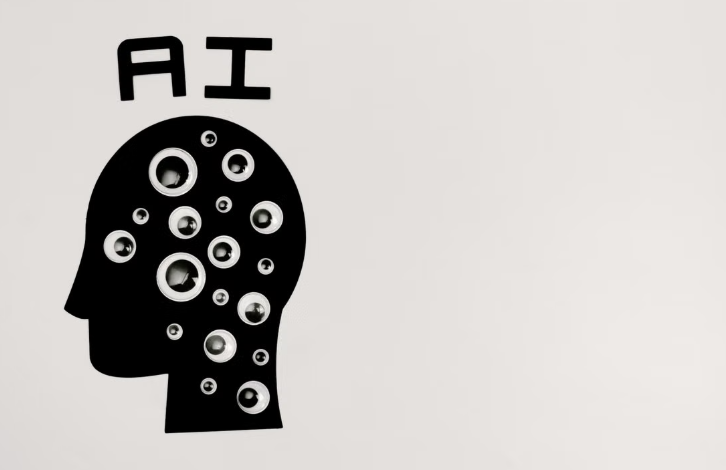
Artificial intelligence (AI) is no longer a concept reserved for science fiction or advanced research labs. X88 is already part of everyday life, shaping how people work, shop, communicate, learn, travel, and manage their homes. From voice assistants and recommendation systems to smart healthcare tools and automated customer service, AI is becoming more practical, accessible, and deeply integrated into daily routines.
As technology continues to advance, the future of artificial intelligence in everyday life will be defined by convenience, personalization, efficiency, and smarter decision-making. However, it will also raise important questions about privacy, ethics, employment, and human connection.
What Is Artificial Intelligence?
Artificial intelligence refers to computer systems designed to perform tasks that typically require human intelligence. These tasks may include understanding language, recognizing images, solving problems, learning from data, and making predictions.
Modern AI is powered by machine learning, natural language processing, computer vision, robotics, and data analytics. Instead of being programmed to follow only fixed instructions, many AI systems can identify patterns and improve over time. This ability makes AI useful in countless areas of everyday life.
AI in Smart Homes
One of the most visible ways artificial intelligence is changing daily life is through smart home technology. Devices such as smart speakers, thermostats, lighting systems, security cameras, and appliances are becoming more intelligent and interconnected.
In the future, AI-powered homes will do more than respond to basic commands. They may learn household routines, adjust energy usage automatically, detect unusual activity, and help reduce utility costs. For example, a smart thermostat could learn when family members are usually home and adjust the temperature for comfort and efficiency. AI security systems may distinguish between a family member, a delivery person, and a potential intruder.
These innovations will make homes more comfortable, safer, and more energy-efficient.
AI in Healthcare
Artificial intelligence is expected to play a major role in the future of healthcare. Today, AI tools already assist doctors in analyzing medical images, identifying patterns in patient data, and supporting diagnosis. In the years ahead, AI could help make healthcare more personalized, preventive, and accessible.
Wearable devices may monitor heart rate, sleep patterns, blood oxygen levels, and other health indicators in real time. AI systems could detect early warning signs of health problems and recommend medical attention before conditions become serious.
AI may also improve telemedicine by helping doctors review patient information quickly and accurately. For people in remote areas, artificial intelligence could make quality healthcare easier to access. While AI will not replace doctors, it will likely become a powerful tool that supports better medical decisions.
AI in Education
The future of artificial intelligence in education will focus on personalized learning. Traditional classrooms often use the same pace and materials for every student, but AI can adapt lessons to individual needs.
AI-powered learning platforms can identify a student’s strengths, weaknesses, and learning style. They can recommend exercises, explain difficult concepts, and provide instant feedback. This helps students learn at their own pace and gives teachers valuable insights into student progress.
In addition, AI can support language learning, tutoring, test preparation, and accessibility for students with disabilities. Teachers may spend less time on administrative tasks and more time mentoring and engaging with students.
AI in Transportation
Transportation is another area where artificial intelligence will have a major impact. Self-driving cars, smart traffic systems, AI-powered navigation apps, and automated public transportation are already being developed and tested.
In everyday life, AI can help reduce traffic congestion, improve road safety, and make travel more efficient. Navigation apps already use AI to analyze traffic conditions and suggest faster routes. In the future, connected vehicles may communicate with each other and with traffic lights to prevent accidents and reduce delays.
Autonomous vehicles could also improve mobility for elderly people, individuals with disabilities, and those who cannot drive. However, safety regulations, public trust, and infrastructure will be key factors in how quickly self-driving technology becomes common.
AI in Shopping and Customer Service
Artificial intelligence is transforming the way people shop. Online stores use AI to recommend products based on browsing history, previous purchases, and customer preferences. These personalized recommendations make shopping faster and more convenient.
In the future, AI shopping assistants may help consumers compare prices, find sustainable products, manage subscriptions, and make better purchasing decisions. Virtual try-on tools powered by AI could allow shoppers to see how clothes, glasses, or makeup might look before buying.
Customer service will also continue to evolve. Chatbots and virtual assistants are already used by many businesses to answer questions and resolve simple issues. As AI improves, these systems will become more natural, accurate, and helpful.
AI in the Workplace
Artificial intelligence is changing the modern workplace by automating repetitive tasks, analyzing large amounts of data, and supporting decision-making. In the future, Nạp Tiền X88 will likely become a standard tool in many industries, including finance, marketing, manufacturing, law, agriculture, and design.
AI can help employees write reports, organize schedules, detect fraud, forecast trends, and improve productivity. Rather than replacing all human workers, AI is expected to change job roles and create demand for new skills.
Workers may need to learn how to use AI tools effectively, interpret AI-generated insights, and focus on tasks that require creativity, emotional intelligence, leadership, and critical thinking.
Privacy and Ethical Concerns
While the future of artificial intelligence offers many benefits, it also brings challenges. AI systems often rely on large amounts of personal data, which raises concerns about privacy and security. People will need greater transparency about how their data is collected, stored, and used.
There are also ethical concerns related to bias, misinformation, surveillance, and accountability. If AI systems are trained on biased data, they may produce unfair results. Governments, companies, and developers will need to create responsible AI policies that protect users and promote fairness.
Trust will be essential. For AI to become a positive force in everyday life, it must be designed and used responsibly.
The Human Side of AI
Despite rapid technological progress, artificial intelligence cannot replace human values, empathy, creativity, and relationships. The best future for AI is one where technology supports people rather than controls them.
AI can handle routine tasks, provide useful insights, and improve convenience, but humans will remain responsible for making meaningful decisions. The goal should be to use artificial intelligence to improve quality of life, solve real-world problems, and create more opportunities for people.
Conclusion
The future of artificial intelligence in everyday life is full of possibilities. AI will continue to shape smart homes, healthcare, education, transportation, shopping, customer service, and the workplace. It will make many daily tasks easier, faster, and more personalized.
At the same time, society must address important issues such as privacy, ethics, bias, and job changes. With responsible development and thoughtful use, artificial intelligence can become a powerful tool for improving everyday life and building a smarter, more connected future.