The Future of Smart Cities and Real Estate
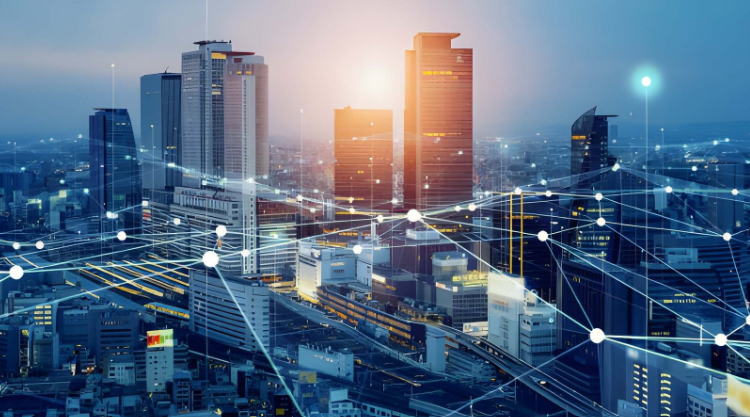
The future of smart cities and real estate is rapidly taking shape as technology, sustainability, and urban planning come together to redefine how people live, work, and invest. Around the world, cities are becoming more connected, efficient, and data-driven. At the same time, the real estate industry is adapting to new expectations from residents, businesses, developers, and Ga6789 investors.
Smart cities are no longer a distant concept. They are emerging as practical solutions to urban challenges such as traffic congestion, housing demand, energy consumption, public safety, and environmental sustainability. As these cities evolve, real estate will play a central role in shaping the urban experience.
What Are Smart Cities?
A smart city uses digital technology, data, and connected infrastructure to improve the quality of life for its citizens. This can include intelligent transportation systems, energy-efficient buildings, smart waste management, connected utilities, public Wi-Fi, and digital government services.
The goal of a smart city is not simply to add technology to urban spaces. Instead, it is to create more efficient, sustainable, and livable communities. For real estate, this means properties must become more adaptable, energy-conscious, and integrated with digital systems.
How Smart Cities Are Changing Real Estate
The real estate market is being transformed by the rise of smart cities. Buyers, renters, and investors are increasingly looking for properties that offer convenience, connectivity, and long-term value. This is pushing developers to rethink traditional building design and urban development.
Smart buildings are a major part of this shift. These properties use sensors, automation, and artificial intelligence to manage lighting, heating, cooling, security, and maintenance. For example, a smart office building can automatically adjust temperature based on occupancy, reducing energy costs while improving comfort.
Residential real estate is also changing. Smart homes equipped with connected appliances, voice-controlled systems, energy monitors, and advanced security features are becoming more desirable. In smart cities, these homes are often connected to wider urban networks, allowing residents to access transportation, utilities, and community services more easily.
Sustainability as a Key Driver
One of the most important trends in the future of smart cities and real estate is sustainability. Urban areas consume large amounts of energy and produce significant carbon emissions. Smart city planning aims to reduce this environmental impact through green buildings, renewable energy, efficient public transportation, and better resource management.
Real estate developers are increasingly focusing on sustainable construction materials, solar power, water-saving systems, and energy-efficient designs. Green buildings are not only better for the environment but can also lower operating costs and increase property values.
Investors are paying close attention to environmental, social, and governance factors, often known as ESG. Properties that meet sustainability standards are more attractive to institutional investors and environmentally conscious buyers. As regulations become stricter, sustainable real estate will likely become the standard rather than the exception.
The Role of Data in Urban Real Estate
Data is at the heart of smart city development. Sensors, mobile apps, cameras, and connected infrastructure collect information about traffic, energy use, air quality, public services, and building performance. This data helps city planners and real estate professionals make better decisions.
For developers, data can reveal where housing demand is growing, which neighborhoods need commercial space, and how people move through the city. For property managers, data can improve maintenance, reduce energy waste, and enhance tenant satisfaction.
However, the use of data also raises important questions about privacy and security. As smart cities expand, governments and real estate companies must protect personal information and ensure that digital systems are secure from cyber threats.
Smart Mobility and Property Value
Transportation has always influenced real estate value. In smart cities, mobility is becoming even more important. Access to public transit, bike-sharing, electric vehicle charging stations, and walkable neighborhoods can significantly affect property demand.
Smart mobility systems use real-time data to manage traffic, optimize public transportation, and reduce travel time. Properties located near efficient transportation networks are likely to become more valuable. This is especially true as younger generations and urban professionals prioritize convenience and sustainability over car ownership.
Mixed-use developments are also gaining popularity. These projects combine residential, commercial, retail, and recreational spaces in one area, reducing the need for long commutes. In smart cities, mixed-use real estate supports a more connected and efficient lifestyle.
Opportunities for Real Estate Investors
The growth of smart cities creates new opportunities for real estate investors. Properties with smart technology, sustainable features, and strong digital infrastructure may command higher rents and resale values. Investors who understand these trends can identify high-growth markets and future-ready assets.
Commercial real estate is also evolving. Businesses are looking for offices that support hybrid work, employee wellness, and digital collaboration. Smart office buildings with flexible layouts, automated systems, and high-speed connectivity are becoming more attractive to companies.
In addition, smart city infrastructure can increase the appeal of emerging neighborhoods. Areas that receive investment in transportation, broadband, green spaces, and public services may experience significant growth in property values over time.
Challenges Facing Smart Cities and Real Estate
Despite the many benefits, the future of smart cities and real estate also comes with challenges. High development costs can make smart buildings and infrastructure expensive to implement. Smaller cities may struggle to fund advanced technology projects.
There is also the risk of creating inequality. If smart city development focuses only on luxury properties or high-income neighborhoods, it may leave behind lower-income communities. Affordable housing must be part of smart city planning to ensure that technology benefits everyone.
Cybersecurity is another major concern. Connected buildings and city systems can be vulnerable to hacking if not properly protected. Real estate owners and city governments must invest in secure platforms and reliable data management.
The Future Outlook
The relationship between smart cities and real estate will continue to grow stronger in the coming years. As urban populations increase, cities will need smarter solutions to manage resources, infrastructure, and housing. Real estate developers, investors, and property managers who embrace innovation will be better positioned for success.
Future properties will likely include more automation, renewable energy systems, smart security, health-focused designs, and seamless digital services. Neighborhoods will become more connected, with improved mobility, cleaner environments, and better access to amenities.
Conclusion
The future of smart cities and real estate is centered on technology, sustainability, and better urban living. Smart cities are changing how properties are designed, built, managed, and valued. From energy-efficient buildings to data-driven planning and smart mobility, the real estate industry is entering a new era.
For buyers, renters, developers, and investors, understanding these changes is essential. As smart cities continue to develop, real estate that supports connectivity, sustainability, and quality of life will become increasingly valuable. The cities of tomorrow are being built today, and real estate Đại lý Ga6789 will remain at the heart of that transformation.